


 All Swimming Pools
 DIY Pool Kits
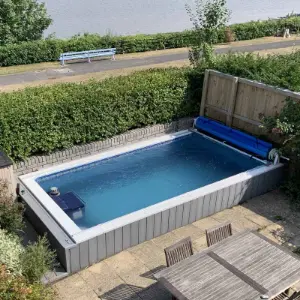 Endless Pools
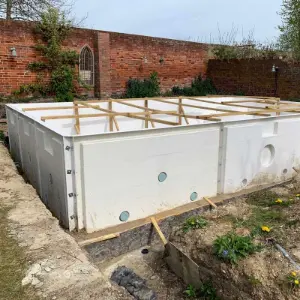 HeatForm Panel Pool Kits
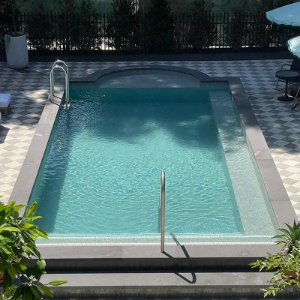 One Piece Pools
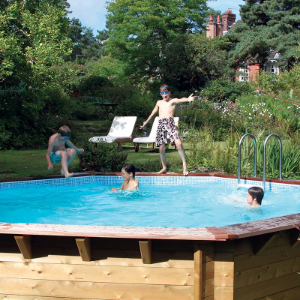 Above Ground Pools
 All Above Ground Swimming Pools
  Bestway Above Ground Pools
  Steel Walled Above Ground Swimming Pools
  Wooden Above Ground Swimming Pools
  All Hot Tubs
 **Stock Clearance Hot Tubs**
 Caldera Fantasy £3,495- £5,495
 All Caldera Hot Tubs £3,495 - £23,995
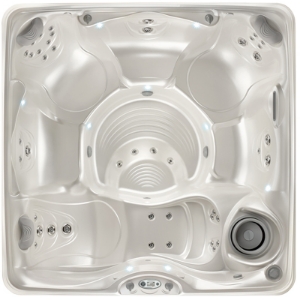 Caldera Vacanza £6,995 - £10,995
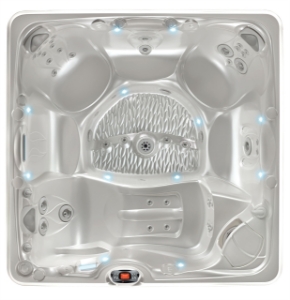 Caldera Paradise £10,995 - £14,995
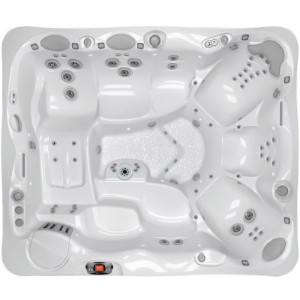 Caldera Utopia £13,995 - £23,995
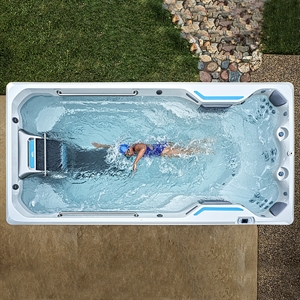 Swim Spas
 Ice Baths
 Pergolas And Umbrellas
 Home Spa & Steam
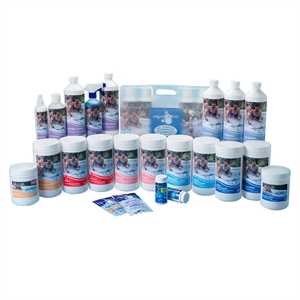 Hot Tub Chemicals
  Aquablanc Non-Chlorine System
  Aquafinesse
  Spa Frog System
  Filter Cartridges
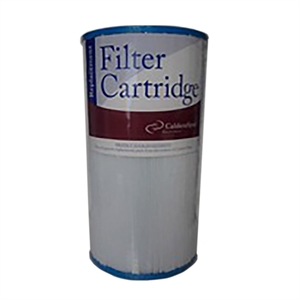 Caldera Hot Tub Filter Cartridges
 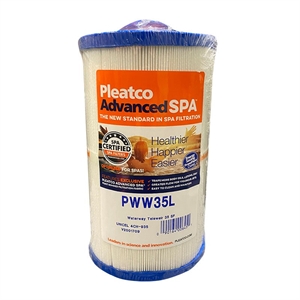 Cove Spas Filter Cartridges
 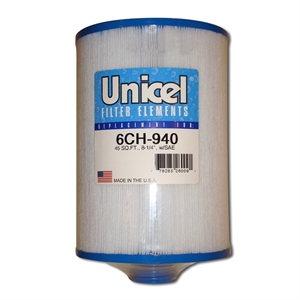 Catalina Hot Tub Filter Cartridges
  DreamMaker Hot Tub Filter Cartridges
 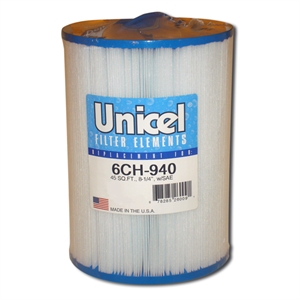 Endless Pools Swim Spa Filter Cartridges
 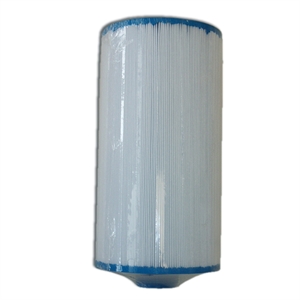 Eurospa Hot Tub Filter Cartridges
 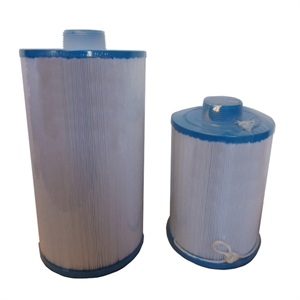 Fantasy Hot Tub Filter Cartridges
 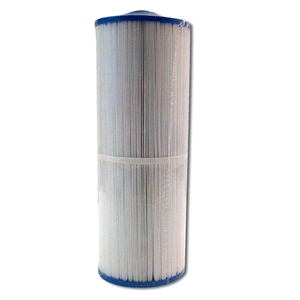 Garden Leisure Hot Tub Filter Cartridges
 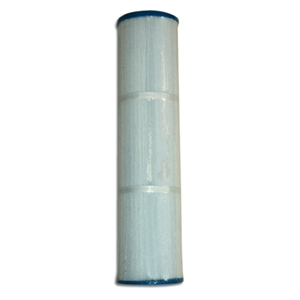 Hydropool Hot Tub Filter Cartridges
 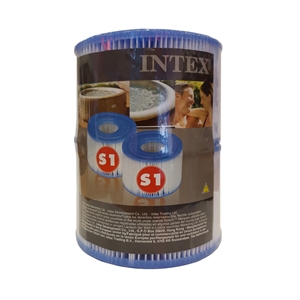 Intex Hot Tub Filter Cartridges
 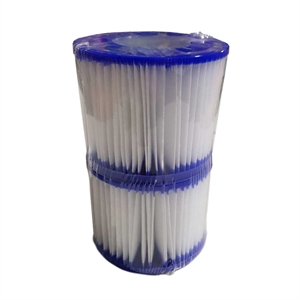 Lay-Z-Spa Hot Tub Filter Cartridges
 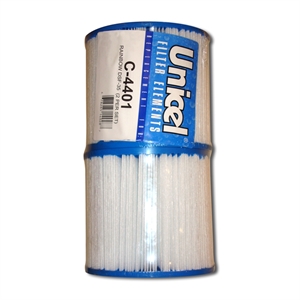 Spaform Hot Tub Filter Cartridges
 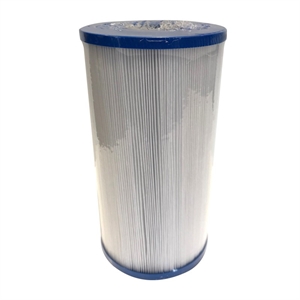 Week End Spas Filter Cartridges
  Cleaning & Maintenance
 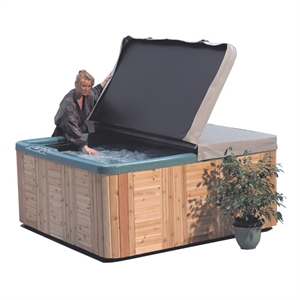 Replacement Hot Tub Covers
 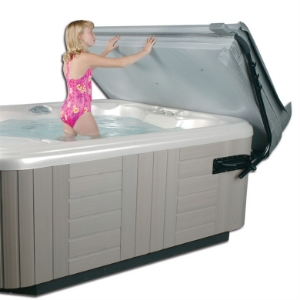 Steps And Cover Lifters
 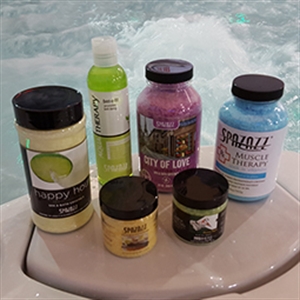 Hot Tub Fragrances
  Drinkware
  Hot Tub Accessories
  All Products
  Saunas & Accessories
 All Saunas
  Infrared Saunas
  Indoor Saunas
  Outdoor Saunas
  Barrel Saunas
  Sauna Accessories
  Affinity Massage Tables
 All Massage Tables
 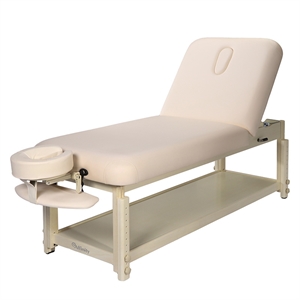 Static Couches
 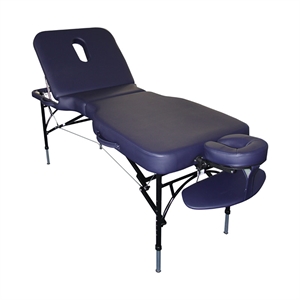 Portable Massage Tables
 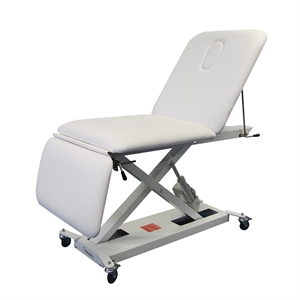 Motorised Massage Tables
 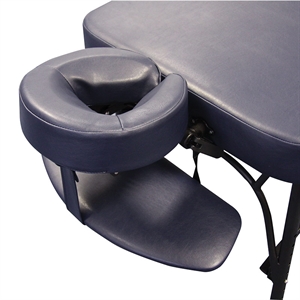 Massage Table Upgrade Options
 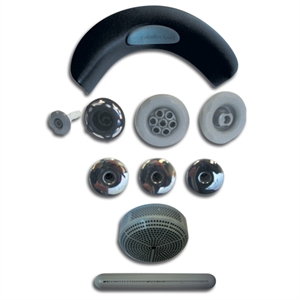 Replacement Spa Parts
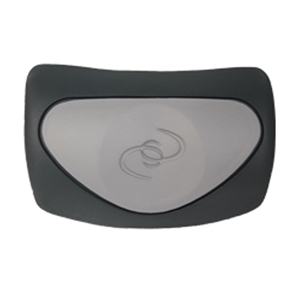 Replacement Head Rests
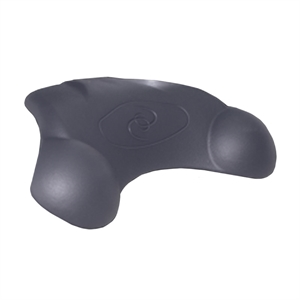 Caldera Replacement Head Rests
 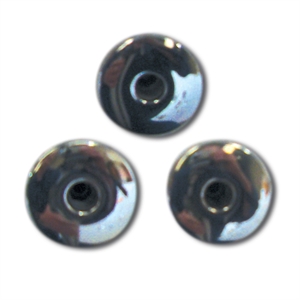 Replacement Jets
 Eurospa Jets
  Replacement Air Blowers
  Complete Spa Packs
  Panel Overlays and Topside Controls
  AquaSolus AquaPure £5,999 – £6,299
 Swimming Pool Spring Opening Chemicals
 Swimming Pool Winterising Chemicals
 Chlorine Water Treatment
 Bayrol
 Non-Chlorine Water Treatment
 Water Balance
 Phosphate Removers
 Algicides, Clarifiers & Cleaners
 Lo-Chlor Speciality Chemicals
 Waterline Cleaning
 Poolside Cleaning
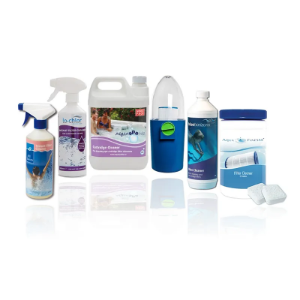 Filter Cleaning
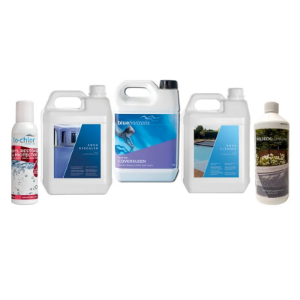 Cover Cleaning
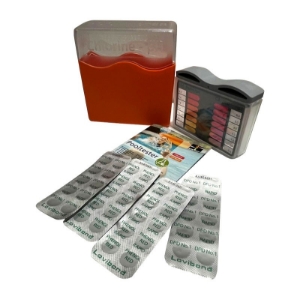 Water Testing
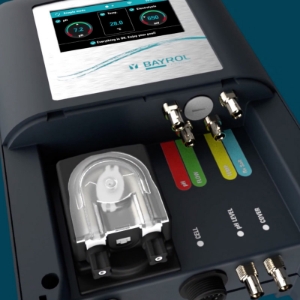 Dosing Systems
 Liquid Pool Covers
 Hot Tub Chemicals
 Hot Tub Chemical Starter Kits
  All Hot Tub Chemicals
  Aquasparkle
  Gold Horizons
  Aquablanc
  Aquafinesse
 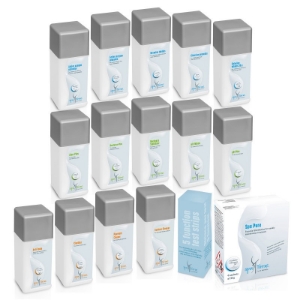 Bayrol SpaTime
  Freshwater Salt System
  O2 Gentle
  Spa Frog System
  Hot Tub Fragrances
  Poolside Fun
 Aqua Fitness
  Pool Games & Inflatables
  Diving Boards & Slides
  Drinkware
  Water Fountains
  Ledge Poolside Furniture
  Above Ground Pool Ladders
  Above Ground Pool Liners
  Above Ground Pool Filters & Filter Cartridges
  Gas Boilers
  Electric Swimming Pool Heaters
  Solar Heating
 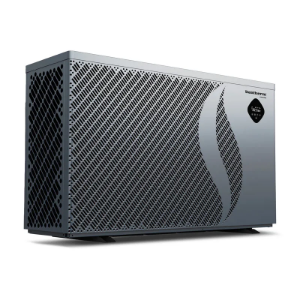 Heat Pumps
  Heat Exchangers
  Dehumidifiers & Ducted Heat Recovery Systems
  Vacuum Equipment, Leaf Nets & Brushes
  Automatic Pool Cleaners & Spares
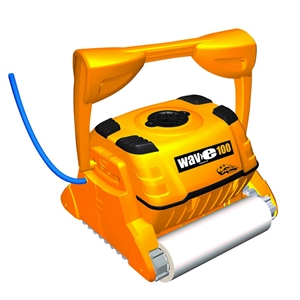 Commercial Automatic Pool Cleaners
 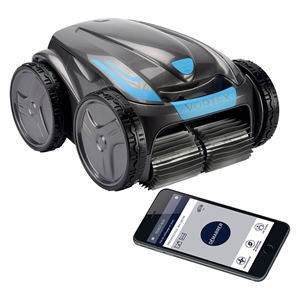 Domestic Automatic Pool Cleaners
 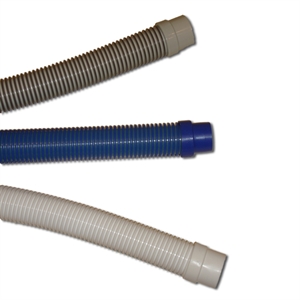 Automatic Pool Cleaner Spares
  Thermometers
  Pool Repairs
  Waterline Cleaning
  Liners
  On-Site Linings
  Underlay
  Liner Accessories
 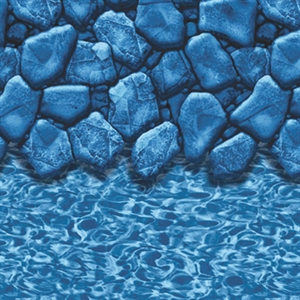 Above Ground Pool Liners
 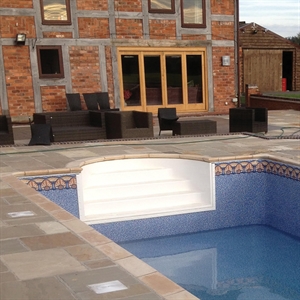 Walk In Pool Steps
 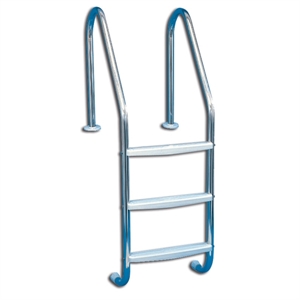 Pool Ladders
  Ladder Replacement Parts
  Above Ground Pool Ladders
  Bespoke Ladders & Handrails
  Swimming Pool Pumps
  Pump Spares
  Pre-Filtration
  Filters
  Swimming Pool Filter Media
  Filter Cleaning
 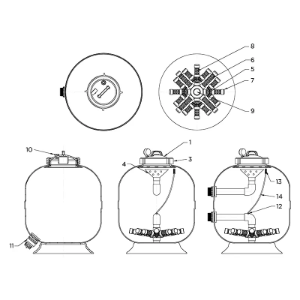 Filter Spares
  Filter Accessories
  Replacement Filter Cartridges
  Swimming Pool Shell Fittings
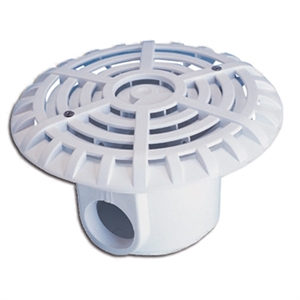 Pool Shell Fittings
 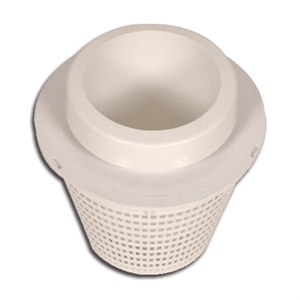 Skimmer & Main Drain Spares
 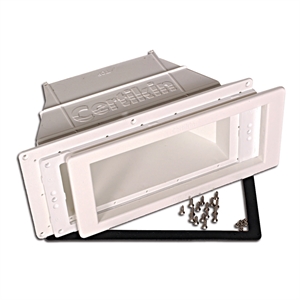 Cover Plates & Gaskets
 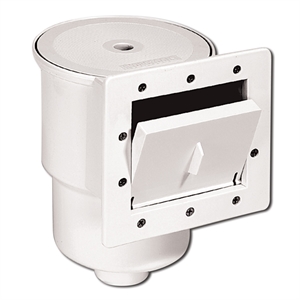 Above Ground Pool Skimmers
  Pipes & Fittings
 ABS Imperial Pipe & Fittings
  PVC Metric Pipe & Fittings
  Flexible Pipe & Fittings
 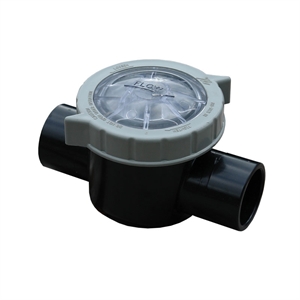 Valves
  Counter Current Pool Systems
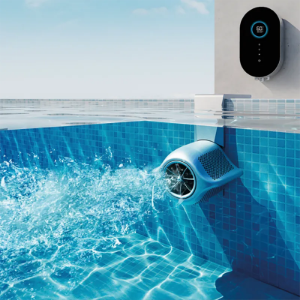 iGarden InverJet Retrofit Countercurrent System
 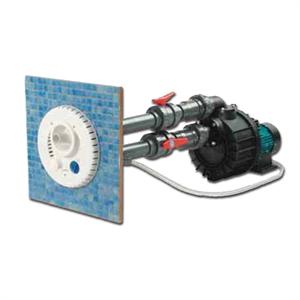 Espa Counter Current Swim Jets
 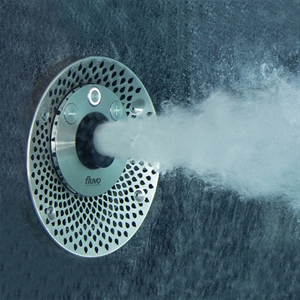 Fluvo Counter Current System
 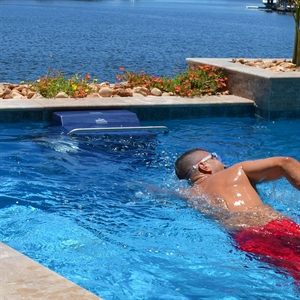 Endless Pools Fastlane
  Concrete Swimming Pool Finishes
 Pool Paint
  Pacelite
  Swimming Pool Mosaic Tiles
 Ardex Tanking, Tile Grout & Adhesive
  Classic Glass Tiles
 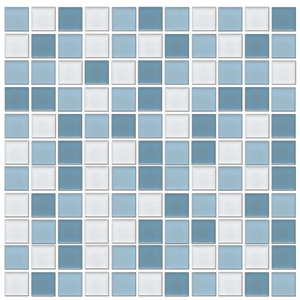 Ceramic Pool Tiles
  Graduating Fade Tiles
 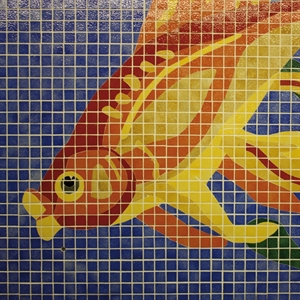 Mosaic Tiles Design Motifs
  Edging Tiles
  Underwater Lights
 Swim Lane Marking Equipment
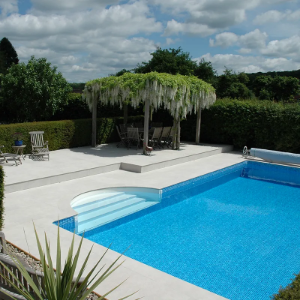
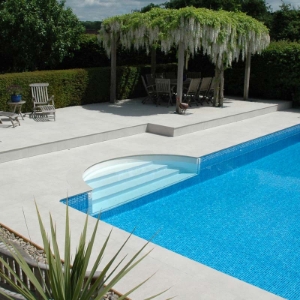 Coping Stones
 Individual Coping Stones
  Coping Stones Kits
  Poolside Drainage
 Easy Drain Plus
  Overflow Grating
 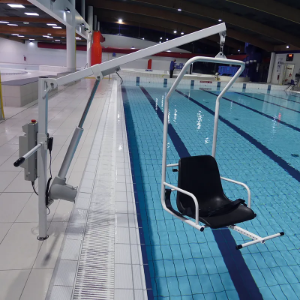 Swimming Pool Hoists
 Poolside Safety
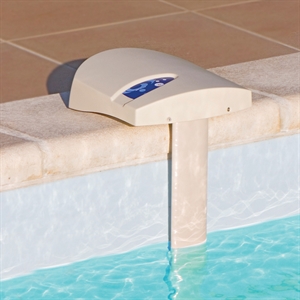 Pool Alarms
 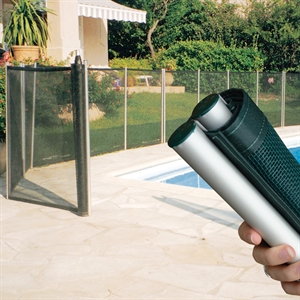 Swimming Pool Safety Fencing
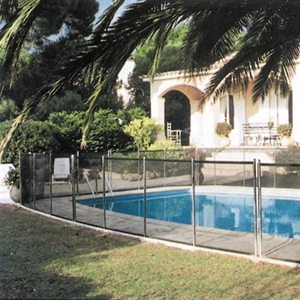 Rollaway Safety Fencing
 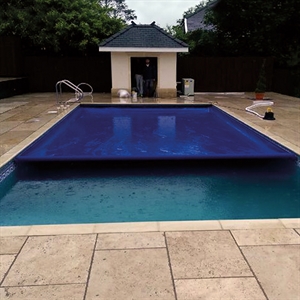 Swimming Pool Safety Covers
  Swimming Pool Lifesaving Equipment
  Showers & Water Features
 Solar Showers
 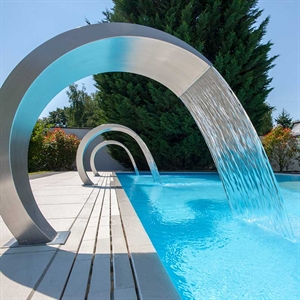 Water Features
  Pool Buildings
 Poolside Fun
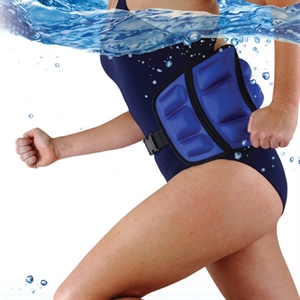 Aqua Fitness
 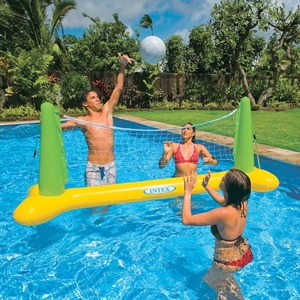 Pool Games & Inflatables
 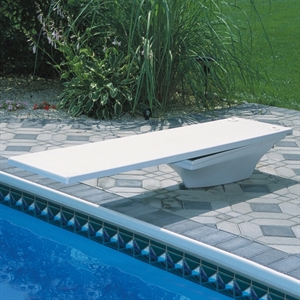 Diving Boards & Slides
  Drinkware
  Water Fountains
  Poolside Furniture
 Primo Ceramic Grills
 Solar Covers for Outdoor Pools
 Indoor Pool Covers
 Automatic Slatted Covers
 Safety Covers
 Winter Debris Covers
 Above Ground Pool Covers
 Reel Systems & Leading Edges
 Reel Protective Covers
 Cover & Reel Replacement Parts
 Liquid Pool Covers
 Poolside Fun
 Aqua Fitness
  Pool Games & Inflatables
  Diving Boards & Slides
  Drinkware
  Water Fountains
 All Special Offers
 Pool Equipment Special Offers
 Hot Tub & Sauna Special Offers
 Chemical Special Offers
 Cover & Roller Special Offers
 Poolside & Safety Special Offers

FREE CATALOGUE
Request an all swim catalogue


 Hot Tub Accessories
 Hot Tub Chemicals
 Above Ground Pool Accessories
 Pool Heating & Ventilation
 Cleaning & Maintenance
 Swimming Pool Liners & Underlay
 Step Units & Steps
 Swimming Pool Pumps
 Swimming Pool Filters
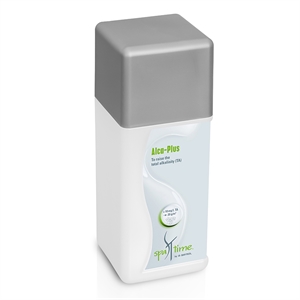
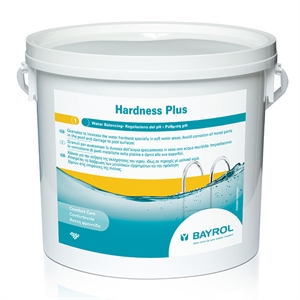
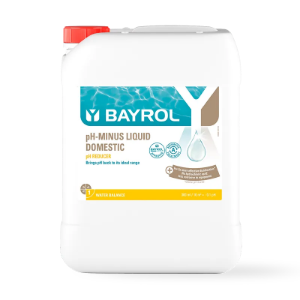
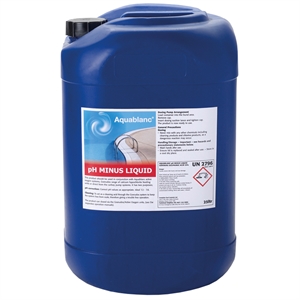
ACQUISITION, POSSESSION OR USE OF THIS PRODUCT BY THE GENERAL PUBLIC IS RESTRICTED


ACQUISITION, POSESSION OR USE OF THIS PRODUCT BY THE GENERAL PUBLIC IS RESTRICTED
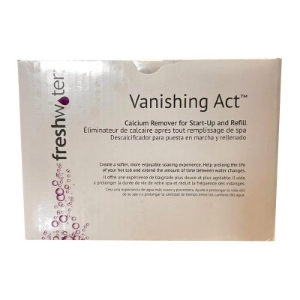
Maintaining proper water balance is just as important as sanitising with chlorine. Without the right balance of pH, total alkalinity and calcium hardness, your chlorine will be less effective, swimmers may experience irritation, and equipment or surfaces may suffer damage.
In this category, you’ll find high‑quality balancing chemicals designed to stabilise your water chemistry. Whether you need to raise or lower pH, adjust alkalinity, or manage calcium hardness, our products give you reliable control. Use them in combination with regular testing to keep your swimming pool or hot tub healthy, clear, and safe all season long.
Our selection includes:
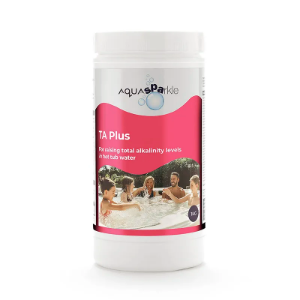
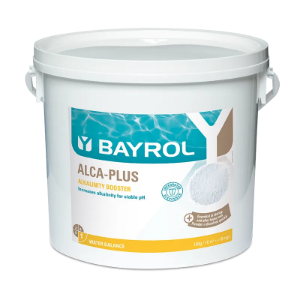
- Total Alkalinity Increasers and Reducers: Keep your water’s alkalinity in check to stabilise pH levels and prevent corrosion or scaling.
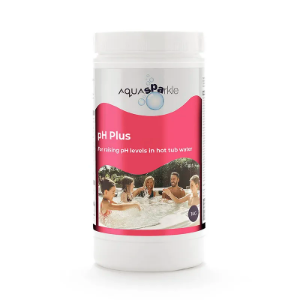
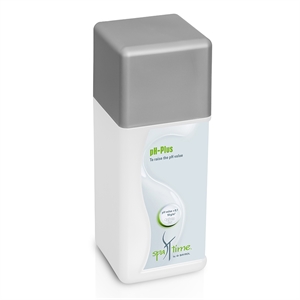
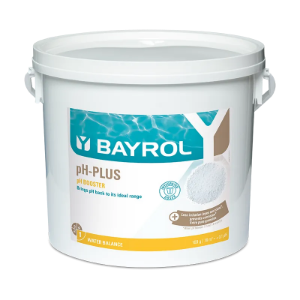
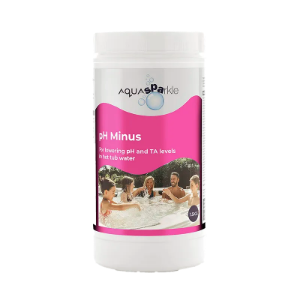
- pH Increasers and Reducers: Adjust the pH levels of your water to stay within the optimal range, ensuring it is neither too acidic nor too alkaline.
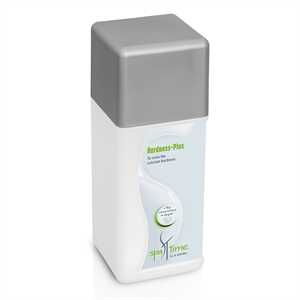
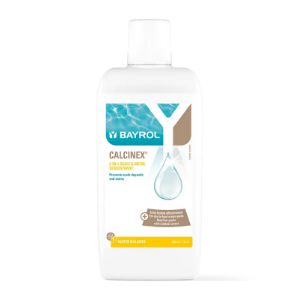
- Calcium Hardness Increasers and Reducers: Manage your pool or spa’s calcium levels to avoid issues like cloudy water, scaling, or etching.
Properly balanced water not only enhances swimmer comfort but also protects your pool and hot tub equipment and surfaces, extending their lifespan. Whether you’re dealing with hard or soft water or need to correct imbalances, we have got you covered with high-quality, reliable products.
If you are unsure of any element of water treatment or dosing our experienced team are always on hand to offer help and advice on all elements of regular water treatment or problem solving - for further help and advice please do not hesitate to contact us on either 029 20 705059 or alternatively complete our enquiry form.
Q: What Is Ideal pH, Alkalinity And Calcium Hardness For A Pool?
A: For most pools, aim for pH between 7.4 and 7.6, total alkalinity around 80‑120 ppm, and calcium hardness in the range of 175‑500 ppm (depending on pool surface). These levels help maintain water clarity and protect equipment.
Q: Which Should I Adjust First: Alkalinity Or pH?
A: Always adjust total alkalinity first. If alkalinity is out of range, your pH will tend to fluctuate. Once alkalinity is stable, you can more easily fine-tune pH without large swings.
Q: How Often Should I Test Water Balance?
A: Test your pH and total alkalinity at least 2‑3 times per week during swimming season. Check calcium hardness less frequently (e.g. weekly or monthly), unless symptoms like scale or corrosion appear.
Q: How Do I Lower High pH Or Alkalinity?
A: Use a pH reducer (dry acid, sodium bisulphate, or muriatic acid) carefully and incrementally. Add in stages, allow mixing, and retest. Never add strong acid directly to the pool - always dilute first.
Q: How Do I Raise Low pH Or Alkalinity?
A: Use pH increasers (alkali, sodium carbonate) or alkalinity increaser (bicarbonate of soda) as needed. Add gradually, allow mixing, and retest before making further adjustments.
Q: What Causes Water Imbalance?
A: Rainwater, replenishing pool water, high bather load, chemical drift, or use of sanitising chemicals can shift pH, alkalinity or hardness. Regular testing and maintenance prevent extreme swings.
Q: What Happens If Water Is Poorly Balanced?
A: If pH is off, chlorine becomes less effective. Too low alkalinity may cause rapid pH changes; too high alkalinity may lead to scaling or cloudy water. Imbalanced calcium hardness can lead to corrosive water (if too low) or scale deposits (if too high).
For further help and advice on maintaining balanced swimming pool and hot tub water please visit our blog!
All Swim has produced a complete guide to swimming pool and spa water management. The aim of this guide is to explain step by step, the principles of maintaining safe high quality water with the minimum amount of expense and effort. The guide contains advice on general maintenance and swimming pool chemicals. You can view the complete guide to water management here.
Note: The recommendations in this guide are for domestic swimming pools and hot tubs only.
Click below to complete our online enquiry form.
Product Enquiry Form